 Clothes Remover
 AI Dance
 Remove Clothes
Undress AI Online
A practical, fact-focused guide to Undress AI: processing speed, output quality, privacy flow, controls, limits, and how to get consistent image results without prompt noise.
 Click here to select your file
Drag image here or browse files
Click here to select your file
Drag image here or browse files
Body Type
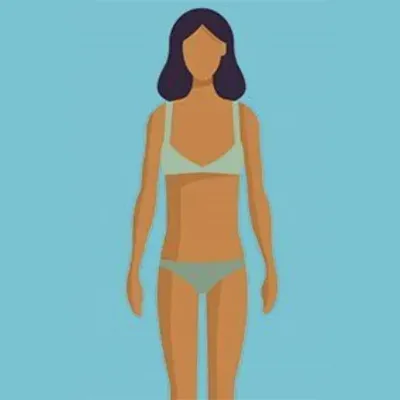 Slim
Slim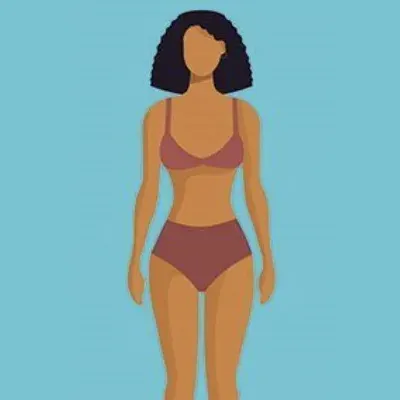 Athletic
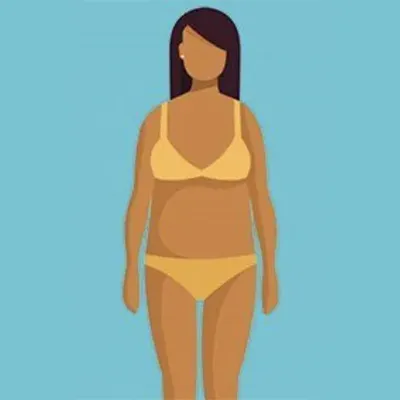 Chubby
Breast Size
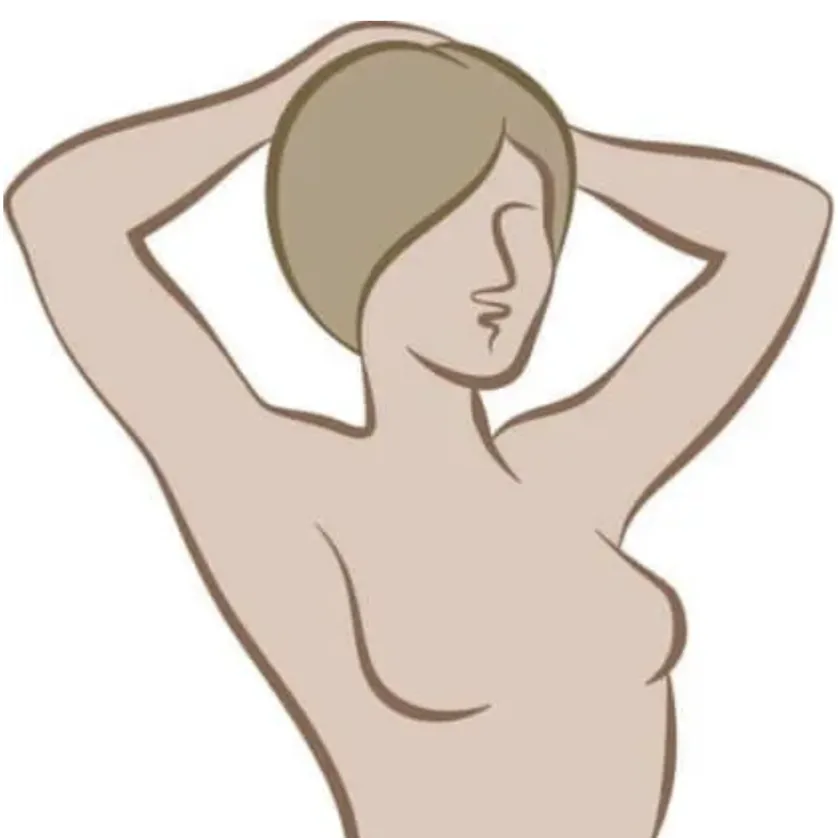 Small
Small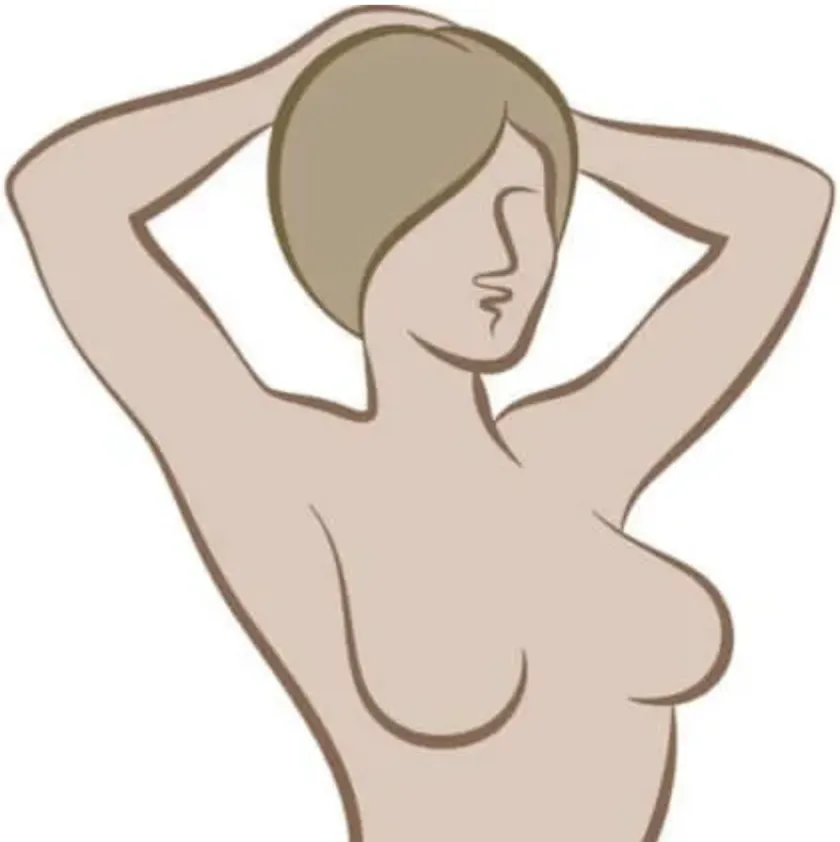 Medium
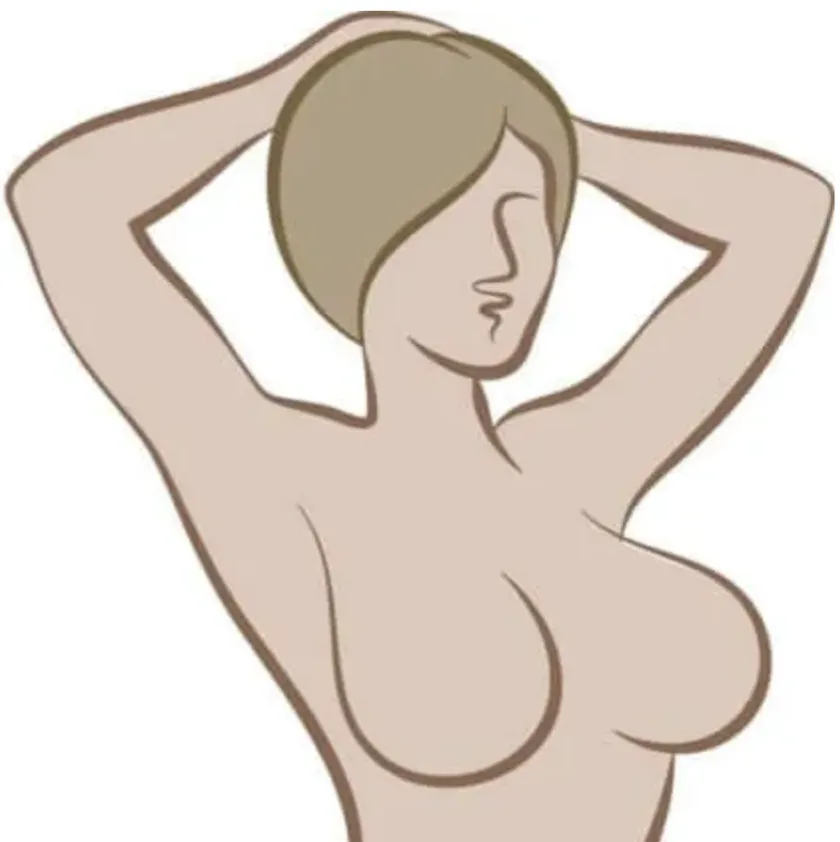 Large
LargePick an Undress AI Model

Why People Choose Undress AI in 2026
This page is not generic ad copy. It is a concrete breakdown of how the service works, what it can and cannot do, and how to improve output quality when you use Undress AI for private creative projects.
Fast baseline generation
Current processing targets are designed for speed first: a standard image can return in about 4 to 5 seconds on average, while heavy scenes may take longer. That matters when you run multiple variations and compare results side by side instead of guessing from one render.
Free tier with clear limits
New users can start with a free trial flow. The public product copy advertises up to 10 free generations per day, so you can test model behavior before you commit to a subscription plan. That keeps the entry barrier low and makes A/B testing practical.
Private processing path
The service states that uploaded photos are encrypted in transit and removed after processing. No workflow is zero-risk on the internet, but this architecture is the expected baseline for people who care about privacy, security, and controlled access to generated content.
Model controls that actually matter
Instead of flooding users with random sliders, the interface keeps only a few controls that strongly affect realism: body type selection, breast size profile, and model style. Fewer but meaningful settings make the process easier to repeat and debug.
Realistic texture reconstruction
Undress AI is not a simple erase filter. The generator predicts hidden regions and then blends skin, shadows, lighting, and contour transitions. Better tools preserve pose logic, neckline continuity, hand boundaries, and fabric interaction cues.
Practical workflow for creators
The platform is built for creators who want quick iterations, downloadable results, and flexible styling. Whether you produce photorealistic experiments, art concepts, or private reference material, the tool aims to keep the process simple and repeatable.
Undress AI Longread: How the Service Works, Where It Wins, and Where It Fails
If you want better outputs, you need specifics. The sections below explain the real pipeline: input quality, segmentation, generation, post-processing, privacy, legal boundaries, and optimization tactics.
1) Input Quality Is the First Real Bottleneck
Most users blame the model when a result looks wrong, but the first bottleneck is almost always the source image. Undress AI performs best when the subject is fully visible, the pose is readable, and lighting direction is clear. Front-facing or three-quarter poses usually produce more stable geometry than extreme side angles. A clean image with natural contrast gives the model enough signal to infer depth and body lines. If you upload a blurred social crop, heavy compression, or a frame with blocked limbs, even the best generator will hallucinate weak anatomy. In practical terms, use high resolution photos, avoid aggressive filters, and keep the person separated from a chaotic background when possible. This is why professional users run a quick pre-check before generation: they zoom in on shoulders, hips, elbows, and hands, because these points decide whether the result feels realistic or fake. Better input is not a minor detail; it is the foundation of consistent quality.
2) Segmentation and Region Detection Drive Accuracy
Under the hood, the platform first separates body, clothing, and background regions before any detailed generation starts. This stage is where many cheap tools fail: they over-mask edges, destroy hair boundaries, or blend skin into objects like bags and furniture. A stronger undresser workflow keeps a stable silhouette and respects scene structure, especially around fingers, waistlines, and neck transitions. When people say a tool is "smart," this is what they usually notice: fewer broken borders and smoother continuity where clothing meets skin. In complex scenes, the service has to decide what belongs to the subject and what belongs to the environment, then preserve that decision through rendering. If segmentation is clean, later image synthesis can focus on texture and lighting instead of fixing structural mistakes. If segmentation is wrong, no amount of prompts can rescue the result. That is why one-click modes often outperform prompt-heavy setups for this use case: less user noise, more deterministic preprocessing, and faster final output.
3) Generation Is About Coherence, Not Just Nudity
People often ask how to get photorealistic output from an undress ai tool. The short answer: realism comes from coherence across multiple signals, not from one dramatic effect. The model has to keep body proportions believable, preserve the original pose, align skin tone to ambient light, and maintain consistent shadow direction. If one of these fails, the brain detects it immediately. Good results show natural gradients around shoulders, chest, hips, and knees, with no hard cut line where clothing used to be. They also preserve small anatomical cues that make the image feel grounded, including subtle muscle tension, soft folds, and directional highlights from the source photo. Advanced systems use deep learning to predict probable hidden regions, then refine with denoising and blend passes so the final render matches the original scene. This is why Undress AI can look strong on casual phone photos and studio shots alike when the source is clean. The model is not perfect, but the target is clear: a believable, seamless image rather than an obvious synthetic patch.
4) Speed, Iteration, and Output Control in Real Use
In production reality, speed changes behavior. If a tool takes a minute per attempt, users avoid experimentation and settle for mediocre outputs. With turnaround measured in seconds, creators can run controlled iterations: same image, different model type, different body profile, same lighting baseline. That approach produces better results than random trial-and-error. Undress AI is positioned around this quick loop: upload, choose settings, generate, compare, download. Text prompts are optional, and many users skip them entirely because structure and lighting already come from the source photo. This matters for consistency in batch workflows where you want a repeatable style across multiple images. It also matters for new users who do not want to learn long prompt syntax. The faster the cycle, the easier it is to identify what changed and why. For teams, this reduces review time and keeps creative decisions grounded in visible output rather than speculation.
5) Privacy, Data Handling, and What "Safe" Really Means
Privacy claims should always be read with precision. The service states that photos are encrypted during transfer and deleted after processing. That is a positive baseline, but responsible users still apply their own operational discipline: remove identifying metadata, avoid exposing faces if not required, and never upload content without consent. Safety is not one switch in settings; it is a chain of choices. If you work with personal images, treat every upload as sensitive data. Keep files local when possible, use private devices, and avoid public networks. The platform can provide secure processing infrastructure, but legal and ethical responsibility remains with the person who clicks generate. This is especially important in jurisdictions with strict portrait-right and privacy laws. In short: use secure tools, but also use common sense and clear consent standards. That is the only model that scales.
6) Responsible Use, Consent, and Legal Boundaries
Undress AI is powerful technology, and power requires boundaries. The non-negotiable rule is consent. Do not generate or share explicit content of anyone who has not clearly agreed. Do not use minors, do not impersonate real people, and do not publish deceptive material as if it were authentic photography. Many regions classify non-consensual explicit generation as a legal offense, even if the image is synthetic. Terms of use, platform policy, and local laws all apply. If your goal is creative art, keep subjects fictional, licensed, or explicitly consented. If your goal is testing the model, use safe sample photos and private workflows. This is not moral theater; it is practical risk management. A few responsible steps protect you, your data, and everyone else involved. Technology moves fast, but legal accountability still lands on the user.
7) Product Notes for Users Who Want Repeatable Output
For practical work, we recommend an app based workflow where you keep one source folder and compare results in batches. Our team designed these features to improve real user experience, not just marketing claims: a dedicated preview feature, clear model version labels, and guidance for different image types. The system is powered by layered algorithms and optimized processes that handle segmentation, synthesis, and post-processing as part of one pipeline. This structure can help with full scene consistency, smooth transitions, and friendly controls that are easy to learn. In daily use, people explore one setup, then test other settings only when needed, which avoids random changes and keeps quality stable.
The platform also offers controls for outfit context, including bikini styling, while keeping the original pose and lighting. We offer practical safeguards to ensure responsible creating and sharing, and we keep policy reminders visible before generation. If you are removing garments from a difficult photo, simply adjust one option at a time so each change is traceable. This approach helps the community compare outputs, diagnose failures, and document what works. Every run uses the same core engine but different settings may affect only part of the frame, so review each area before download. For internal QA notes we sometimes write re checks after edge artifacts, because small fixes applied automatically can improve coherence. This is why many users treat Undress AI as a brand tool for controlled iteration rather than unlimited one-shot magic. For quality control, check removal artifacts near joints and confirm its skin tones stay consistent with scene lighting.
What You Can Expect from Undress AI Results
Concrete expectations beat hype. Here is what users typically see when the source image is good and settings are chosen intentionally.
Output consistency
The same photo with the same model and settings should produce similar structure across reruns, with small texture variation. This helps when you need controlled comparison before final download.
Lighting adaptation
The generator generally matches skin highlights and shadows to the original scene, which keeps the result integrated with the background instead of looking pasted on top.
Pose retention
Arms, legs, torso angle, and head direction are usually preserved from the source photo, so the final image keeps the same framing and camera perspective.
Resolution-aware detail
Higher input resolution gives better skin detail and cleaner edges. If you want high quality output, prioritize clean source files over aggressive post-upscaling.
Controlled styling
You can move between natural and artistic looks using model choice and minimal text guidance. Short prompts work better than long prompt essays packed with conflicting instructions.
Iterative improvement
The most reliable workflow is two or three focused tries, not twenty random ones. Change one variable at a time, review differences, and keep the best generation.
How to Use Undress AI for Better Results
A short process that works for beginners and professional users: clear input, minimal settings, fast iterations, and responsible output handling.
Step 1: Upload a clean image
Use a clear photo with visible body contours, stable lighting, and minimal occlusion. Better source quality directly improves edge accuracy and realism.
Step 2: Choose model and controls
Select the appropriate undress ai model, set body type and size options if needed, and keep prompts short. One precise instruction beats a long noisy prompt.
Step 3: Generate, compare, download
Run the first result, evaluate shadow match and anatomy continuity, then regenerate once or twice with small adjustments. Save the best image and store it privately.
Frequently Asked Questions
1. What is Undress AI?
Undress AI is an image generation tool that removes or transforms clothing regions in a photo and reconstructs realistic body detail using deep learning models. It is designed for fast, one-click workflows with optional prompt guidance.
2. How long does one generation take?
Typical processing is measured in seconds, with many results arriving around 4 to 5 seconds depending on image size, queue load, and selected model complexity.
3. Is there a free trial?
Yes. The platform advertises a free tier so new users can test quality and speed before subscribing. Current public copy highlights up to 10 free trials per day.
4. How is user privacy handled?
The service states that uploads are encrypted and files are deleted after processing. You should still treat all sensitive photos carefully and avoid uploading content without explicit consent.
5. Can I use it for any person?
No. Responsible use requires consent. Do not generate explicit content for real people without permission, and never create or share illegal or exploitative material.
6. What input images work best?
Use clear, high-resolution photos with visible body contours and clean lighting. Very low quality images, blocked poses, or heavy filters reduce realism and create unstable output.
7. What is the difference between undress and clothes swap?
Undress mode removes or reconstructs clothing regions; clothes swap mode keeps the subject dressed but replaces outfit style. Both modes can preserve pose, angle, and scene composition.
Have More Fun with Undress AI AI Tools
AI Kissing Generator
Turn two photos into romantic, AI-generated kissing videos with ease. Share a hot kiss with your goddess, beautifully created.
Start Your AI Kiss Now
AI Nude Dance
Bring your virtual girlfriend to life with seductive, AI-generated nude dance videos. Create eye-catching Kpop dance videos in seconds.
Start AI Dancing Now